Ditapis dengan
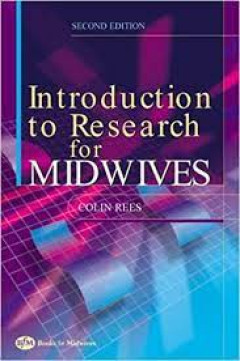
Introduction to Research for Midwives
Research is now a fundamental part of midwifery practice. However, not everyone finds it easy to understand the basic principles, and particularly the language of research. This book provider an answer to these frustrations.
- Edisi
- 2
- ISBN/ISSN
- 0-7506-5351-5
- Deskripsi Fisik
- x, 263 hal, 24 cm
- Judul Seri
- -
- No. Panggil
- 001.4 REE i RAK 09
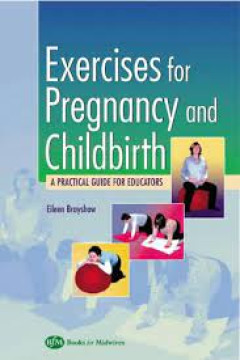
execises for pregnancy and Childbitrh: a practical guide for educators
This book is evidencve based, fully illustrated and easy to follow for all health professionals involved in the physical aspects of antenatal education-midwives, health visitors, physiotherapists, NCT teachers, andexercise teachers.
- Edisi
- 1
- ISBN/ISSN
- 0-7506-5600-X
- Deskripsi Fisik
- xi, 181 hal, ilus, 24 cm
- Judul Seri
- -
- No. Panggil
- 618.2 BRA e RAK 09
An Introduction to RESEARCH for MIDWIVES
This unique bookm makes research accessible and understandable to midwives at all levels of experience and in all clinical areas. It will make a contribution to midwifery practice by increasing the skills of midwives in critically analysing researc h and applying it to practice.
- Edisi
- 1
- ISBN/ISSN
- 1-898507-57-0
- Deskripsi Fisik
- viii,168 hal, 24 cm
- Judul Seri
- -
- No. Panggil
- 0014 REE a RAK 09
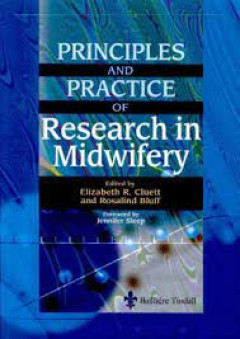
Principles and Practice of Research in Midwifery
This book is a clear and concise introduction to all aspects of research viewed from a midwifery perspective.It gives equal weight to quantitative and qualitative approaches, desribes principles underlying the various approaches used in midwifery research, and offers midwifery and neonatal examples throughout.
- Edisi
- 1
- ISBN/ISSN
- 0-7020-2425-2
- Deskripsi Fisik
- xii, 229 hal, 24 cm
- Judul Seri
- -
- No. Panggil
- 001.4 CLU p RAK 09
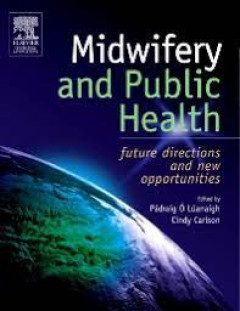
Midwifery and Public Health: Future directions and new opportunities
This is the first book to explore public health from the perspective of the midwife and examines the midwife's role in maintaining and improving health from a more global and population-based focus. With contributions from leading academics and practising midwives, real life initiatives are discussed.
- Edisi
- 1
- ISBN/ISSN
- 0-443-10235-X
- Deskripsi Fisik
- xv, 245 hal, 24 cm
- Judul Seri
- -
- No. Panggil
- 618.2 LUA m RAK 09
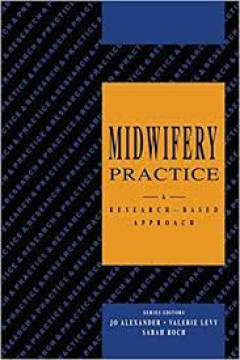
MIDWIFERY PRACTICE: A Research - Basedc Approach
The enthusiasm whish greeted publication of the first three volumes in this midwifery practice series highlighted the need felt by midwives for material which would help them to underpin their practice with research.
- Edisi
- 1
- ISBN/ISSN
- 0-333-57617-9
- Deskripsi Fisik
- XIV, 200 hal, 23 cm
- Judul Seri
- -
- No. Panggil
- 618.2 ALE m RAK 06
ANTENATAL CARE: A Research - Basedc Approach
This first book in the maternity practice series encourages readers ti continue to be reflective about their own practice and to chalenge traditional practice in midwifery.
- Edisi
- 1
- ISBN/ISSN
- 0-333-53861-7
- Deskripsi Fisik
- ix, 159 hal, 23 cm
- Judul Seri
- -
- No. Panggil
- 618.2 ALE a RAK 06

MYLES TEXTBOOK FOR MIDWIVES
Myles Textbook for Midwives provides an indispensable learning and referfence resource for midwives at all stages of their careers. Written by a team of practising and teaching midwives, this internationally renowned textbook has been extensively revides for this 12th edition.
- Edisi
- 12
- ISBN/ISSN
- 0-443-04581-X
- Deskripsi Fisik
- xv, 838 hal, ilus, 25 cm
- Judul Seri
- -
- No. Panggil
- 618.2 BEN m RAK 06

EATING and DRINKING in LABOUR
The issue of whether women should have the choise of eating and drinking while in labour is a contentious one. Many specialists including midwives, obstetricians, anaesthetists, physiologists, specialist nurses, and consumer groups have published the results of research relevant to this issue or given their individual views in various journal articles.
- Edisi
- 1
- ISBN/ISSN
- 0-7506-5315-9
- Deskripsi Fisik
- ix, 148 hal, 23 cm
- Judul Seri
- -
- No. Panggil
- 618.2 CHA e RAK 05
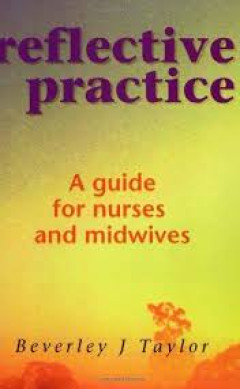
Reflective Practice: A guide for Nurses and Midwives
Reflection help us understand the impact of our actions and improve our professioinal skill. This practical guide shows nurses and midwives how to develop a reflective approach to their work and how to sustain reflective practice throughout their professional lives.
- Edisi
- 1
- ISBN/ISSN
- 1-86448-777-1
- Deskripsi Fisik
- -
- Judul Seri
- -
- No. Panggil
- 610.73 TAY r RAK 05
 Karya Umum
  Filsafat
  Agama
Agama  Ilmu-ilmu Sosial
  Bahasa
  Ilmu-ilmu Murni
  Ilmu-ilmu Terapan
  Kesenian, Hiburan, dan Olahraga
  Kesusastraan
  Geografi dan Sejarah